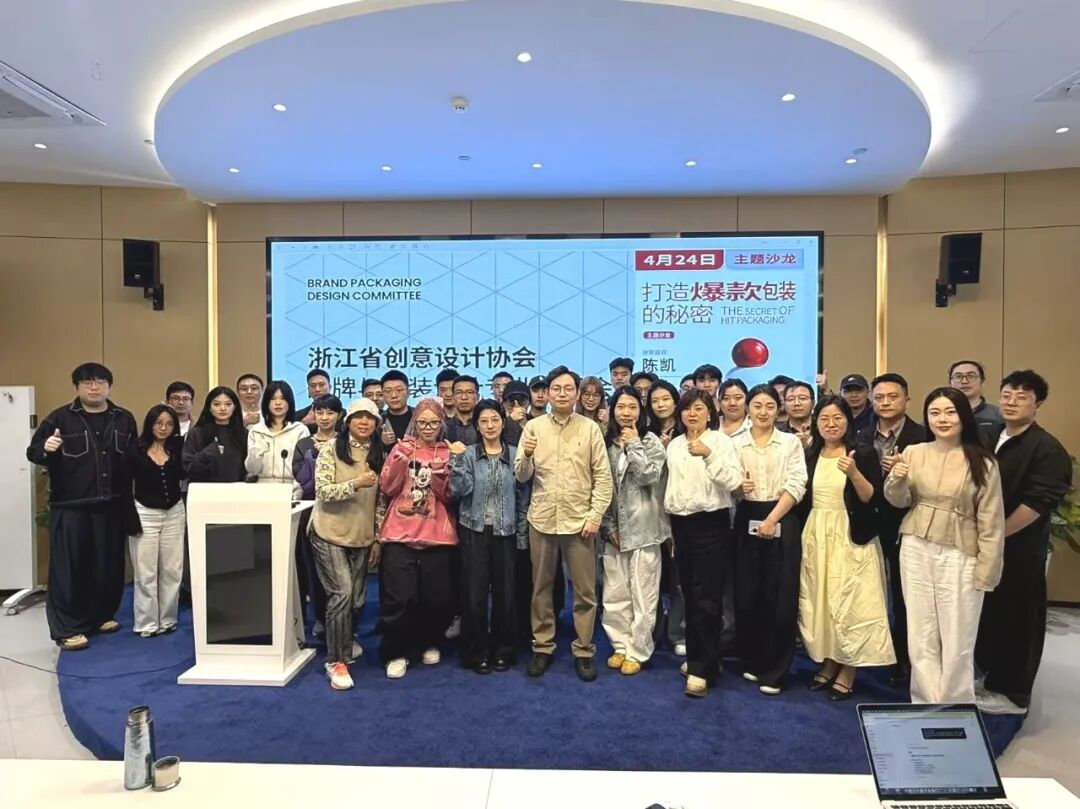
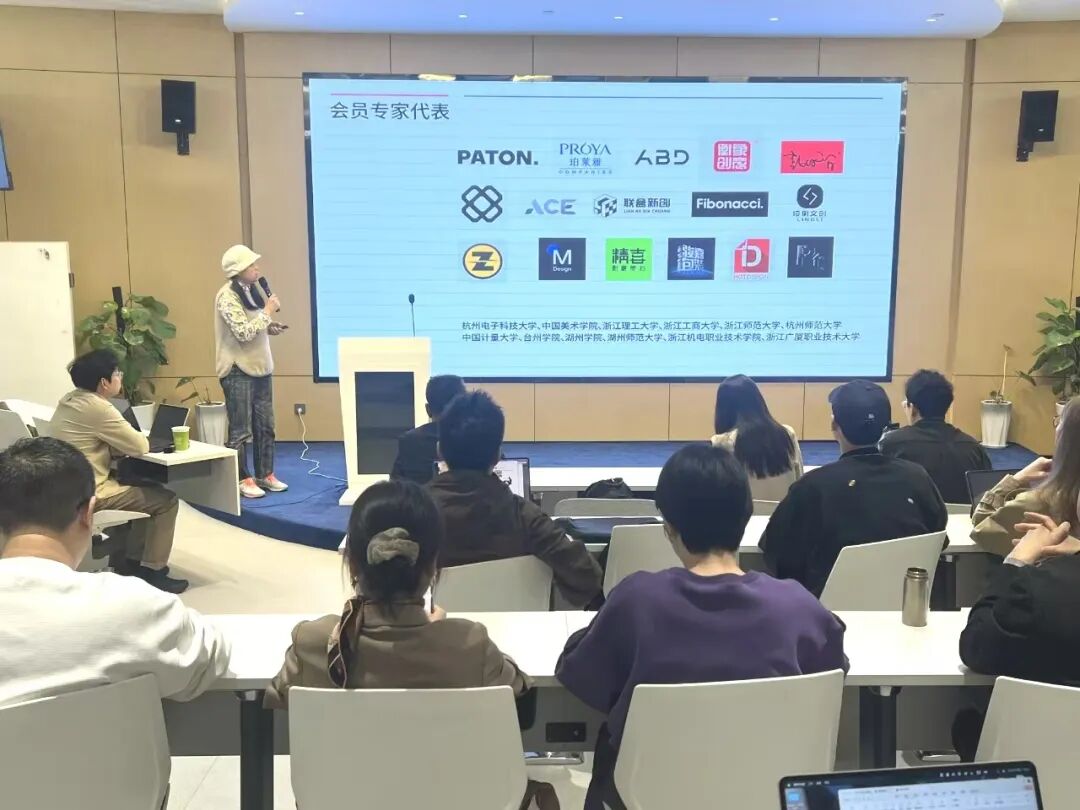
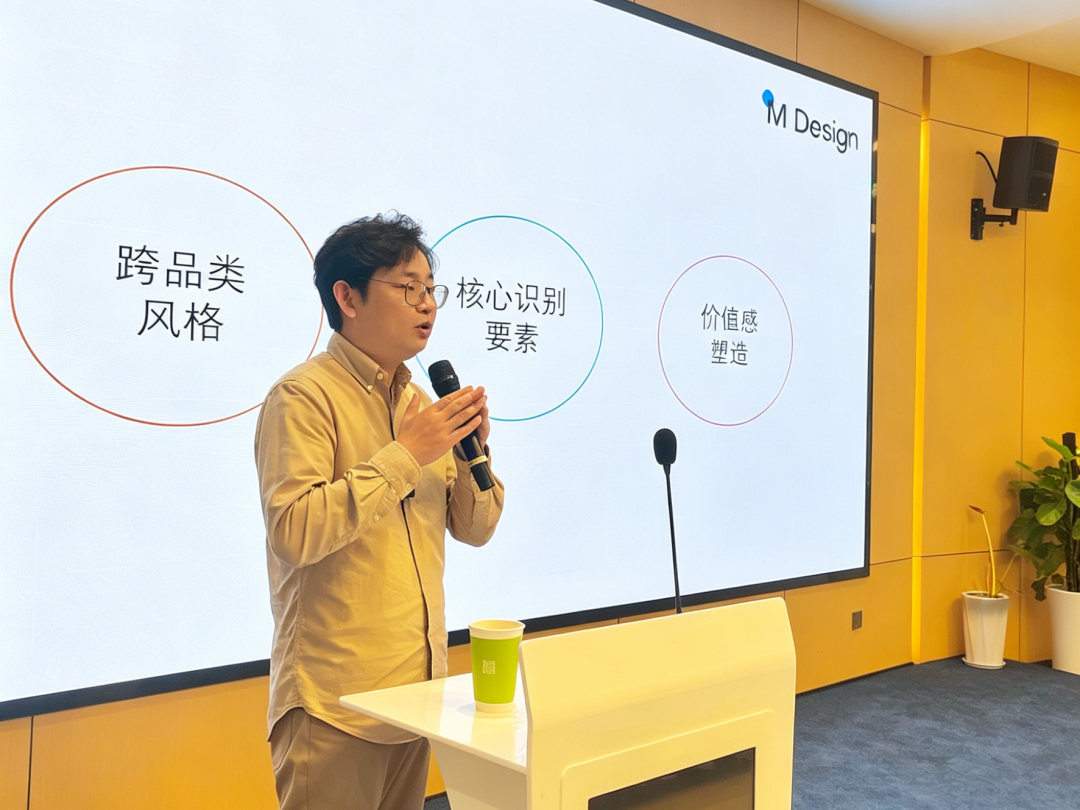
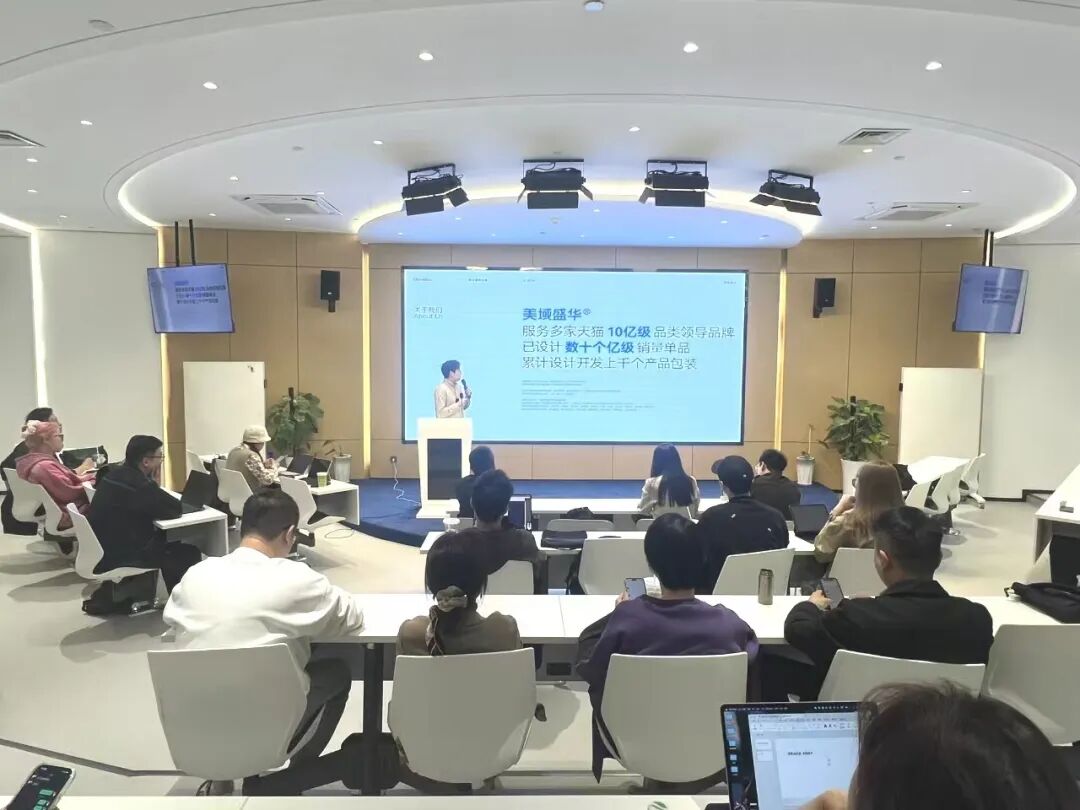
 Practical Case Review:
Building 100-Million-Yuan-Level Hit Packaging from 0 to 1
Instructor Kevin combined cases he had operated on to break down the full-process logic of hit packaging from positioning to implementation:
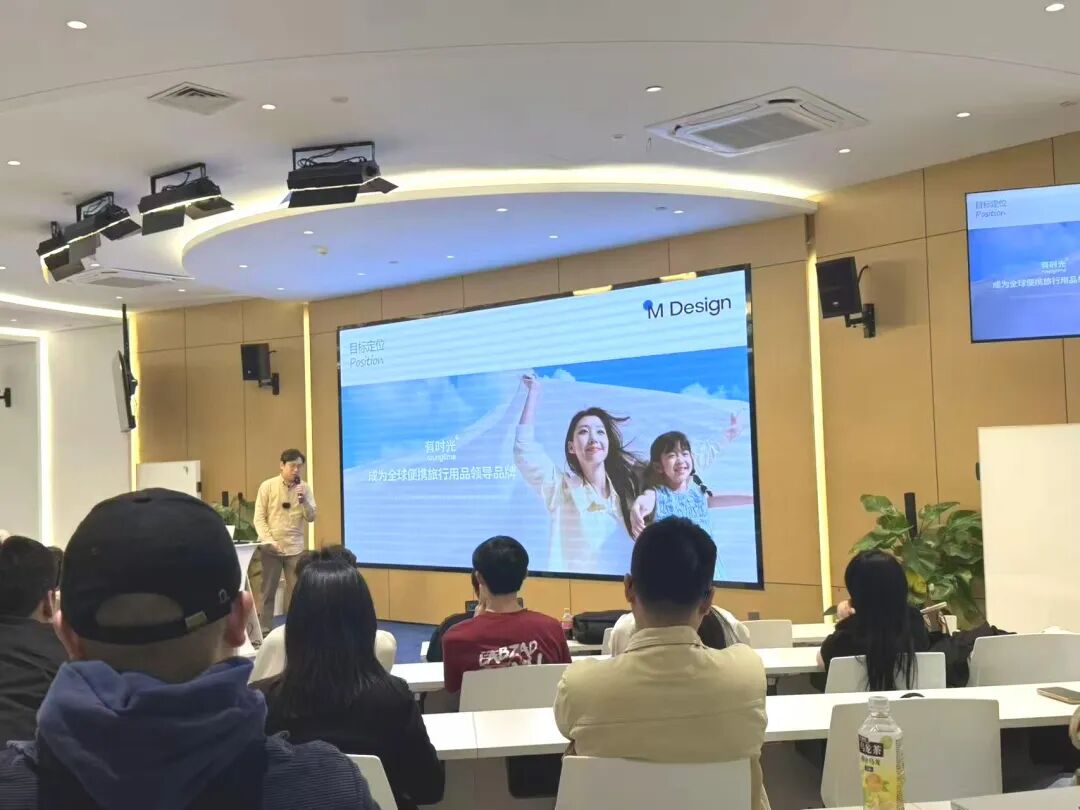
YOUNGTIME: From RMB 80 million to over RMB 1 billion in revenue, it became No. 1 in multiple travel product categories on Tmall through clear positioning and strong visual recognition.
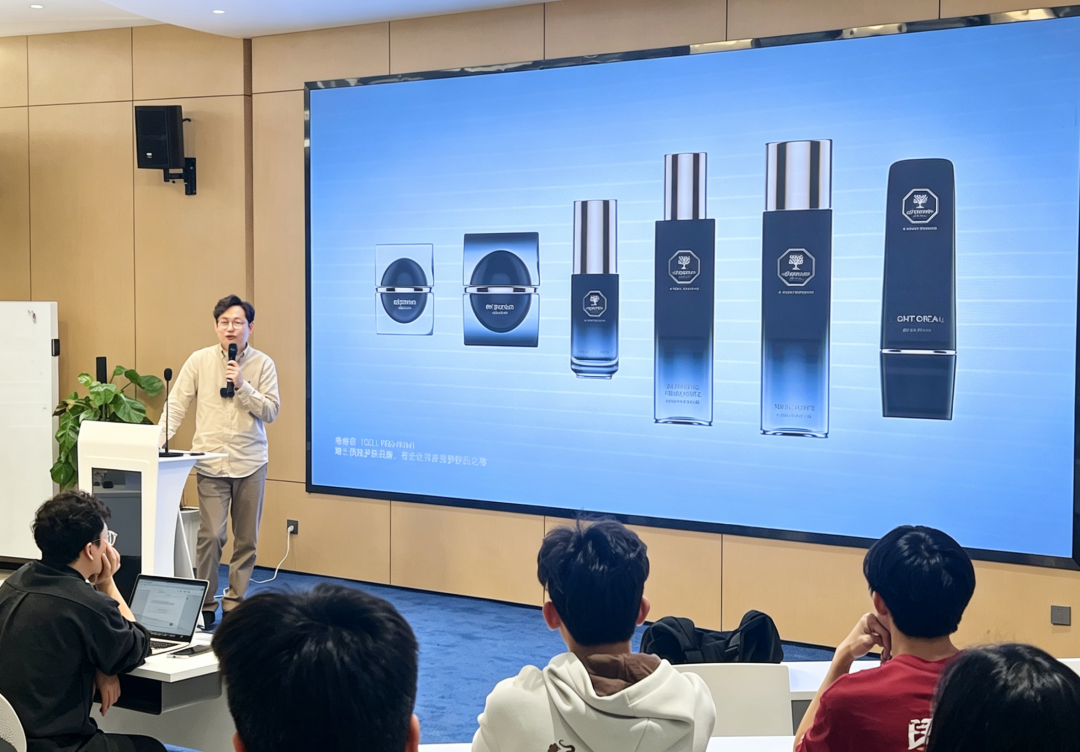
Swiss skincare brand Cell Premium: It overcame the challenge of mold development for all-glass packaging, helping the brand land in the Chinese market and putting its plastic-free environmental philosophy into practice.
UONE supplement project: Completed a brand upgrade in one and a half months, created high-value packaging with beauty-inspired visuals, and achieved annual sales of 5 million bottles at a high premium.
In addition, top-brand projects across multiple categories, such as CP Group, Hema, Lianhua, and GUTEWEI, all achieved breakthroughs from visual breakout to sales growth through precise positioning and cross-category design approaches.
ore of Brand Visuals:
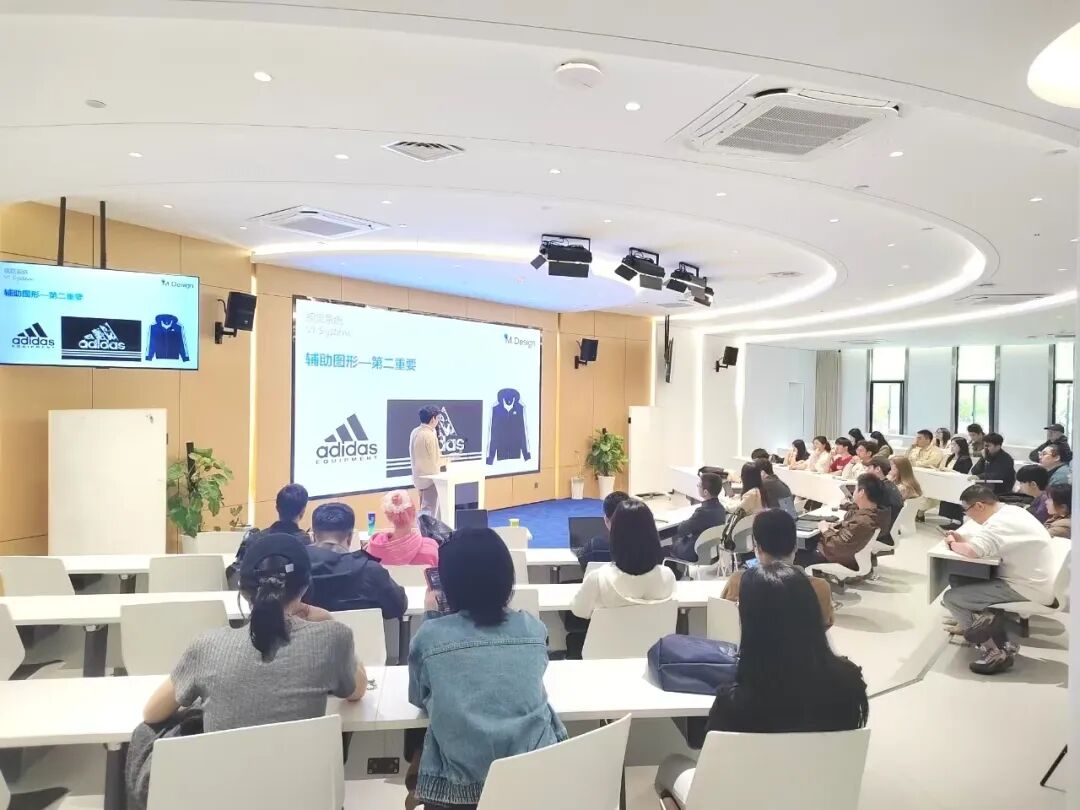
Color > Auxiliary Graphics > Logo
Regarding the brand visual system, Mr. Kevin shared practical insights that overturn conventional thinking:
Brand color is the primary recognition element: Color memory is far stronger than that of rational symbols. Classic cases such as Coca-Cola red and Hermès orange confirm the critical role of color in reducing communication costs.
The value of auxiliary graphics is severely underestimated: Cases such as Adidas’s three stripes and Louis Vuitton’s monogram pattern show that auxiliary graphics are core recognition symbols at long distances and across multiple scenarios, especially suitable for terminal scenarios such as e-commerce and livestreaming.
The ultimate purpose of VI is to reduce communication costs: A good visual system can help a brand save 30%–40% of its advertising costs. The core is to create visual elements that can be recognized quickly.
The Key to Developing Hit Products:
Cross-Category Design + Supply Chain Implementation
The sharing session focused on breaking down the underlying logic of hit product development:
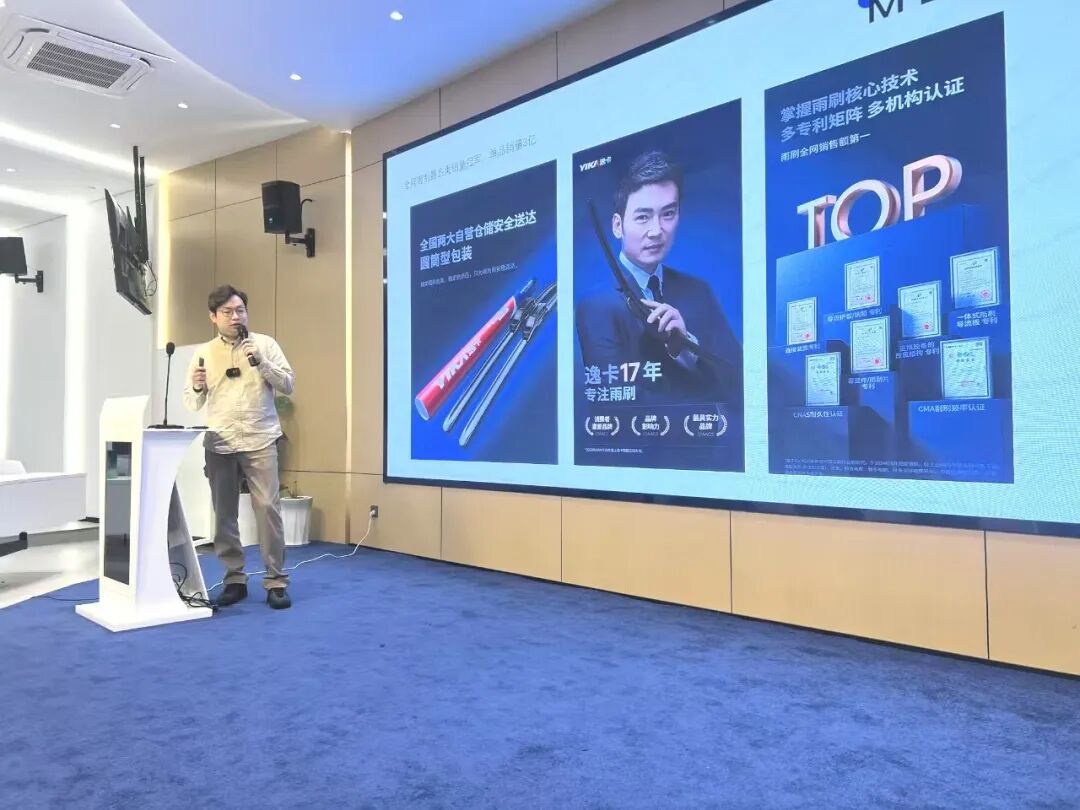
First, core recognition elements must be established: Every hit product must have strong communication attributes. The first step in building a hit product is establishing strong recognition elements.
Cross-category style is the core of breaking out: Step outside the inherent visuals of the category and innovate using design approaches from other fields—for example, Saturnbird borrowed toy-like visuals and created a classic industry case.
Perceived value creation: Perceived value is the cornerstone of product premium. In addition to aesthetic design, perceived value creation relies more on the design team’s command of packaging supply chain resources and its understanding of how to achieve a premium feel through materials and craftsmanship.
Craftsmanship and supply chain are the guarantee for implementation: Designers must master processes such as printing, materials, and mold development to avoid designs that cannot be implemented; the team needs to go deep into factories and become familiar with core processes such as UV reverse coating, matte varnish, and glass die-casting.
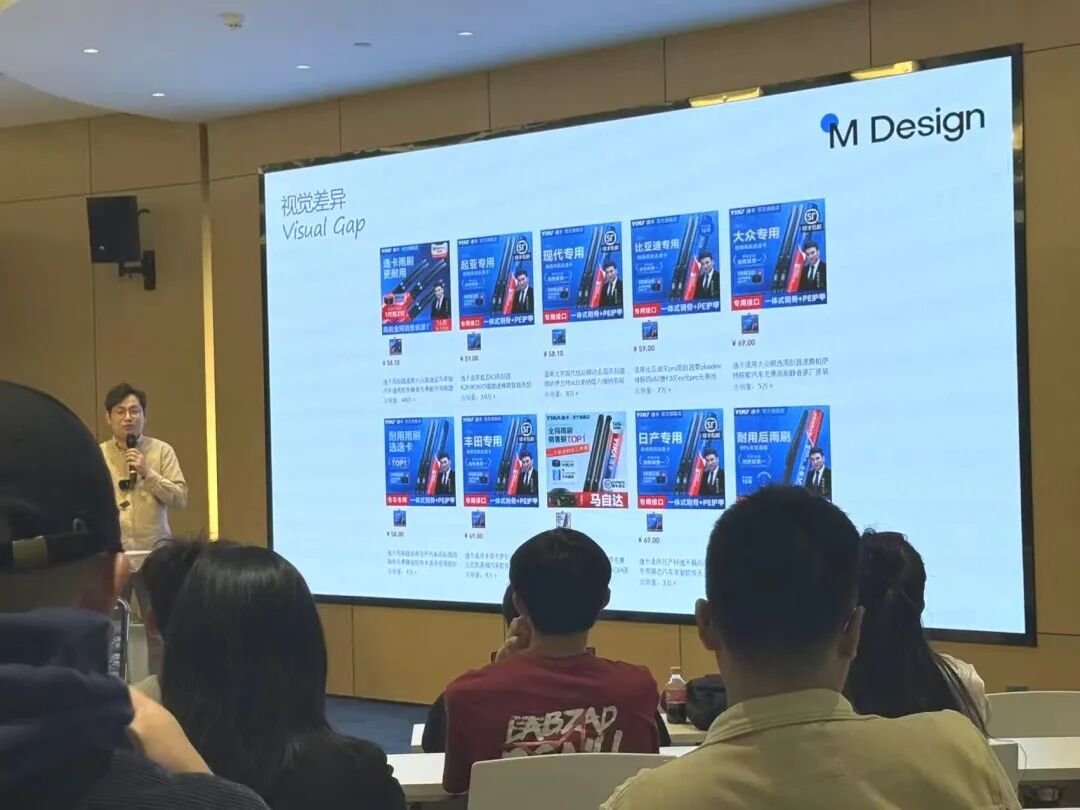
Industry Trends and Talent Development:
In the face of AI disruption and changing industry demands, Mr. Chen Kai shared his unique insights:
**AI is a tool, not a replacement:** AI can efficiently generate materials and renderings, but it cannot help clients make decisions. Strategic decision-making, aesthetic judgment, commercial implementation, and communication with clients remain the irreplaceable core value of design companies.
**Schools and enterprises need to collaborate in talent development:** Schools should strengthen cooperation with factories and enterprises, allowing students to go to the front lines to learn craftsmanship; enterprises are willing to work with universities to cultivate high-quality, job-ready design talent through hands-on project experience.
Interactive Exchange Session:
At the end of the sharing session, guests, faculty, and students actively raised questions on topics such as brand visual upgrades, implementation of cross-category design, realization of packaging craftsmanship, and curriculum design at colleges and universities. Mr. Kevin answered each question one by one in detail, and the valuable practical insights he shared resonated with the entire audience.
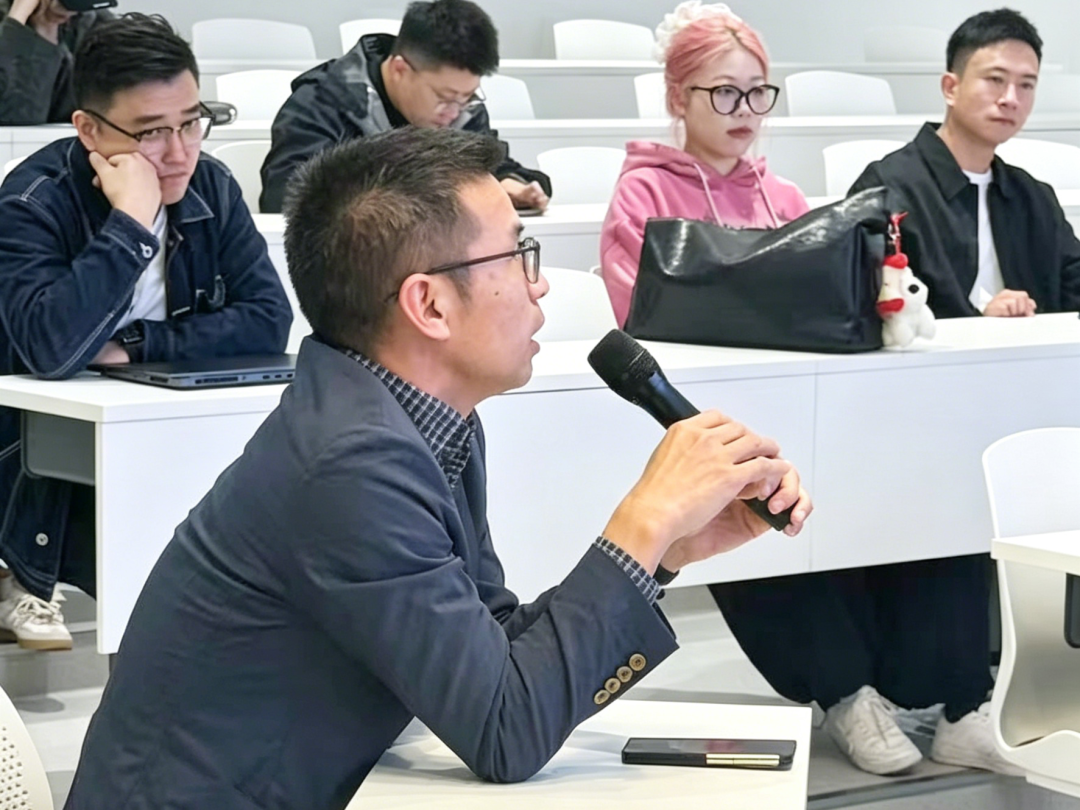
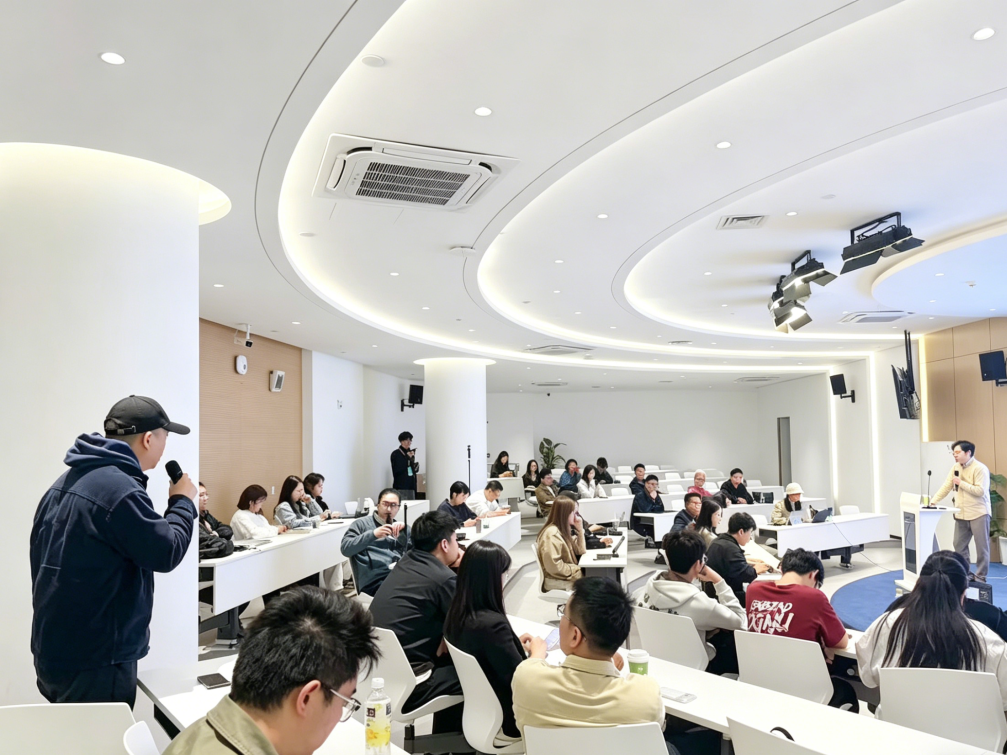


This sharing session was grounded in real-world practice and focused on implementation, providing brand design practitioners as well as faculty and students at colleges and universities with directly reusable commercial design methodologies. In the future, the Brand and Packaging Design Professional Committee will continue to hold high-quality industry exchange events, building a bridge between industry and education and helping drive the high-quality development of the industry.